
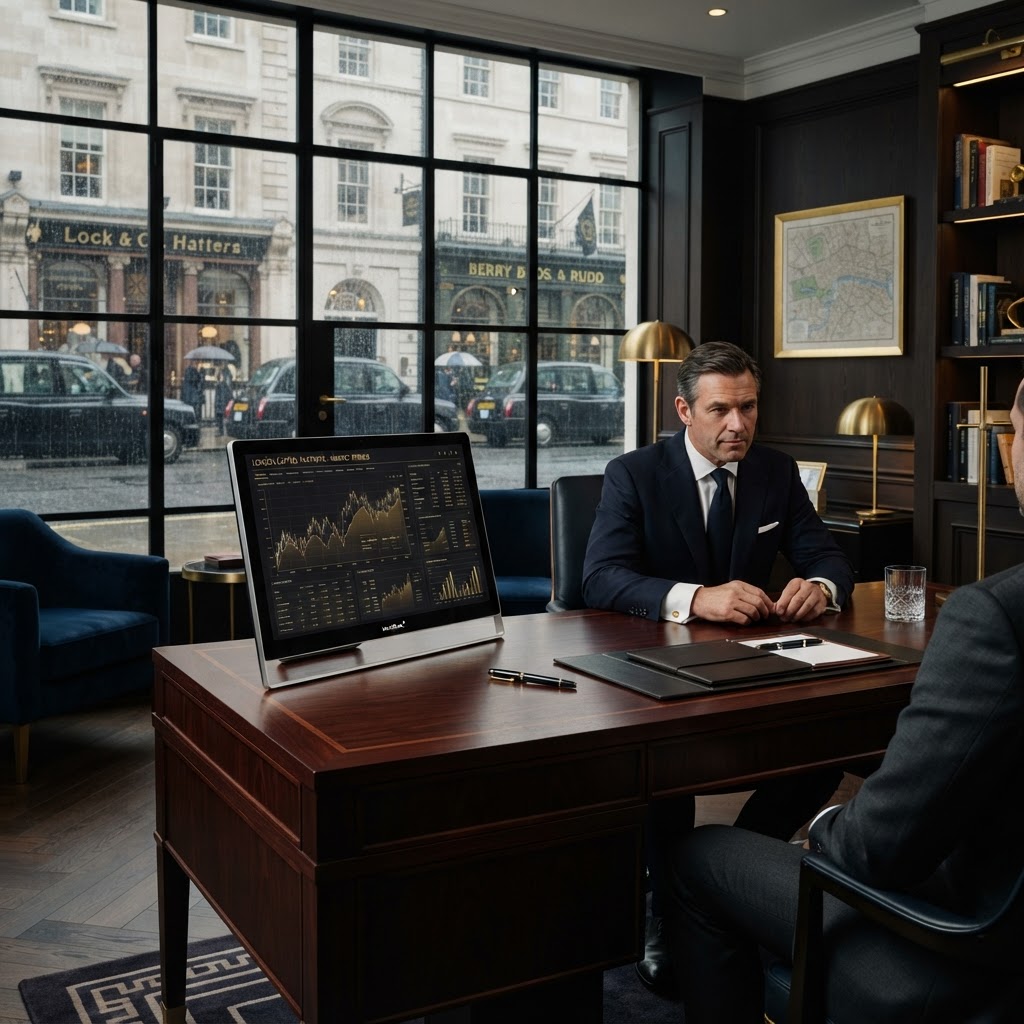
The Bespoke Revolution
In the rarefied air of 2026, the traditional private banker is no longer merely a steward of assets; they are a multi-disciplinary architect of legacy. As we navigate a decade defined by rapid technological shifts and geopolitical nuance, the ultra-high-net-worth (UHNW) individual has moved beyond simple portfolio diversification. Today, wealth management is inextricably linked with family governance, global mobility, and the stewardship of private equity.
The Rise of the Hybrid Family Office
The distinction between personal banking and institutional-grade management has all but dissolved. Families today are increasingly opting for bespoke multi-family offices (MFOs) that resemble boutique investment houses. Firms like C. Hoare & Co. and the newly minted private desks at Goldman Sachs are now integrating luxury concierge services with sophisticated tax-hedging strategies. It is no longer enough to generate a return; the elite investor demands a cohesive ecosystem where their villa portfolio in Cap Ferrat is managed with the same forensic precision as their venture capital positions in Silicon Valley.
The most successful wealth structures of 2026 are not built on rigidity, but on an agile fusion of traditional capital preservation and aggressive, tech-enabled entrepreneurship.
Tech-Augmented Discretion
While artificial intelligence has democratized retail finance, the wealthy are utilizing proprietary, privacy-first AI to map generational risk. According to Helena Vance, a lead consultant at a Mayfair-based private bank, the shift is palpable: 'Our clients are demanding real-time visibility into their global footprint. They want to see the intersection of their philanthropic endeavors, private art acquisitions, and ESG-compliant holdings on a single, encrypted interface. We are building the infrastructure for the digital dynasty.'
The Luxury of Liquidity
In 2026, liquidity is the ultimate luxury. With the rise of private credit as a preferred asset class over traditional public equities, the affluent are seeking bespoke lending structures that leverage tangible assets—fine wine collections, superyachts, and high-value primary residences—to fund new business ventures. This is the era of the 'serial entrepreneur' who demands that their bank acts as a strategic partner, capable of orchestrating complex international credit lines within hours, not weeks.
The New Map of Global Wealth
As the economic centers of gravity shift, the geographic focus for private banking has moved toward the 'new hubs' of Dubai, Singapore, and a rejuvenated London. The modern family office is truly global, with a physical footprint that spans the world's most prestigious postcodes. By integrating premium hospitality-led networking into their financial reviews, these institutions are creating a closed-loop system where social capital is as valuable as fiscal capital. Whether meeting at a private club in St. James’s or a digital summit in the metaverse, the goal is the same: the preservation of influence across generations.
The Final Word on Legacy
Ultimately, the objective for the wealthiest in 2026 remains unchanged: the seamless transfer of wealth, influence, and values. As we approach the end of the year, the conversation in the boardrooms of Mayfair is not just about the yield on a portfolio; it is about the impact of the next generation. The sophisticated investor recognizes that the greatest luxury of all is time—and they are investing heavily in those who can protect it.