In the quiet, wood-paneled corridors of private banks in Mayfair, a shift is occurring. Where once portfolios were judged solely on yield and volatility, the modern family office now assesses value through the lens of extreme scarcity. As mass-market luxury brands dilutes their exclusivity through digital ubiquity, the ultra-high-net-worth individual is retreating into the shadows of bespoke, limited-access ecosystems.
The Psychology of the Unattainable
The core tenet of luxury has always been exclusivity, yet the mechanism has evolved. Today, it is no longer about the price tag, but the friction of acquisition. When Hermès restricts the purchase of its Birkin bags through a complex web of purchase history and personal relationships, it is not merely managing supply; it is cultivating a social hierarchy. This is the 'Veblen effect' refined for the 21st century. Luxury is not a commodity; it is a gate-kept membership.
The most precious luxury is not something you buy, but something you are granted permission to own.
The Investment Case for Scarcity
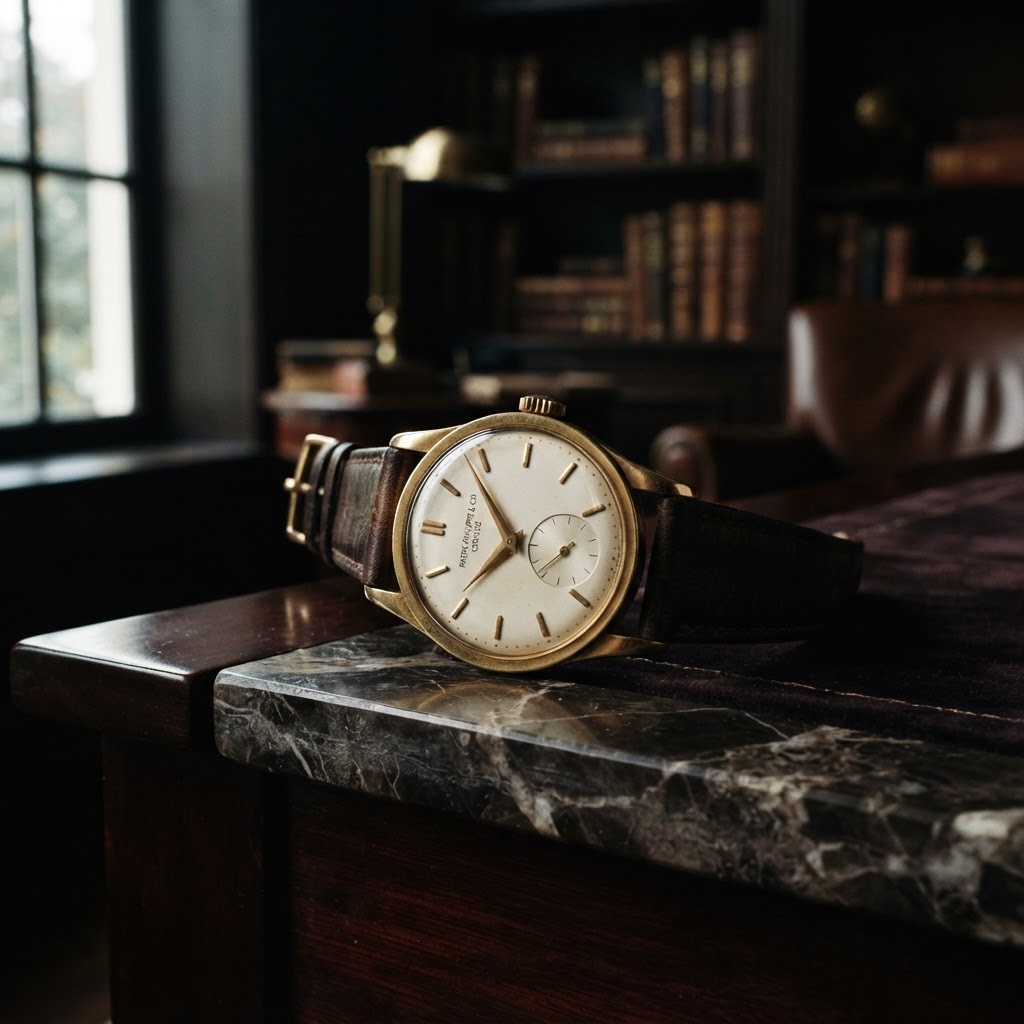
For the sophisticated investor, the 'hard assets' of yesterday—equities and real estate—are being balanced by the 'passion assets' of tomorrow. From the limited-production timepieces from Patek Philippe to vintage bottles from Domaine de la Romanée-Conti, these items serve as a hedge against the inflation of culture itself. Unlike digital assets, which can be replicated at the speed of code, physical items defined by their scarcity possess an intrinsic gravity. They are the only true store of value in an age of infinite digital reproduction.
In the world of private aviation and luxury concierge services, the value is found in the 'un-bookable' experience. Whether it is a private viewing of a restoration project at the Uffizi or a seat at a dinner hosted by a visionary entrepreneur in a chateau in Provence, these moments remain the final frontier of luxury. They cannot be purchased; they are curated.
The Future of Brand Strategy
Disruption, in the context of the luxury sector, now means doing less. Brands that survive the next decade will be those that have the courage to say 'no' to growth. We see this in the strategy of independent watchmakers like F.P. Journe, who limit production to ensure their masterpieces remain elusive. It is a bold, contrarian approach that rewards the brand with enduring cultural relevance and astronomical resale values.
As we navigate this landscape, one thing is clear: accessibility is the enemy of desire. For the discerning investor, the ultimate acquisition is not just a high-quality product, but one that is fundamentally, structurally, and gloriously out of reach for the masses.