The Currency of Inaccessibility
In the quiet corners of Mayfair and the private suites of the Monaco Yacht Show, a silent revolution is unfolding. For the modern high-net-worth individual, the true measure of wealth is no longer mere acquisition—it is the privilege of being invited to acquire at all. While mass-market conglomerates chase volume, the true titans of luxury are retreating into a strategy as old as the guild system itself: artificial scarcity.
The Hermès Blueprint and Beyond
One need only observe the perennial theater surrounding a Birkin bag to understand the efficacy of this model. By decoupling supply from demand, houses like Hermès and Audemars Piguet have transformed their retail experience into a meritocratic filter. For the entrepreneur navigating the complexities of wealth management and family office investment, this logic is familiar; it is the same principle that governs private equity allocations and bespoke concierge services. As one senior partner at a leading London-based private bank recently noted, 'The most valuable assets are those that cannot be found on a ledger, but rather in a vault or behind an unlisted door.' It is about the elimination of choice to create the illusion—and reality—of destiny.
The Psychological Architecture of Desire
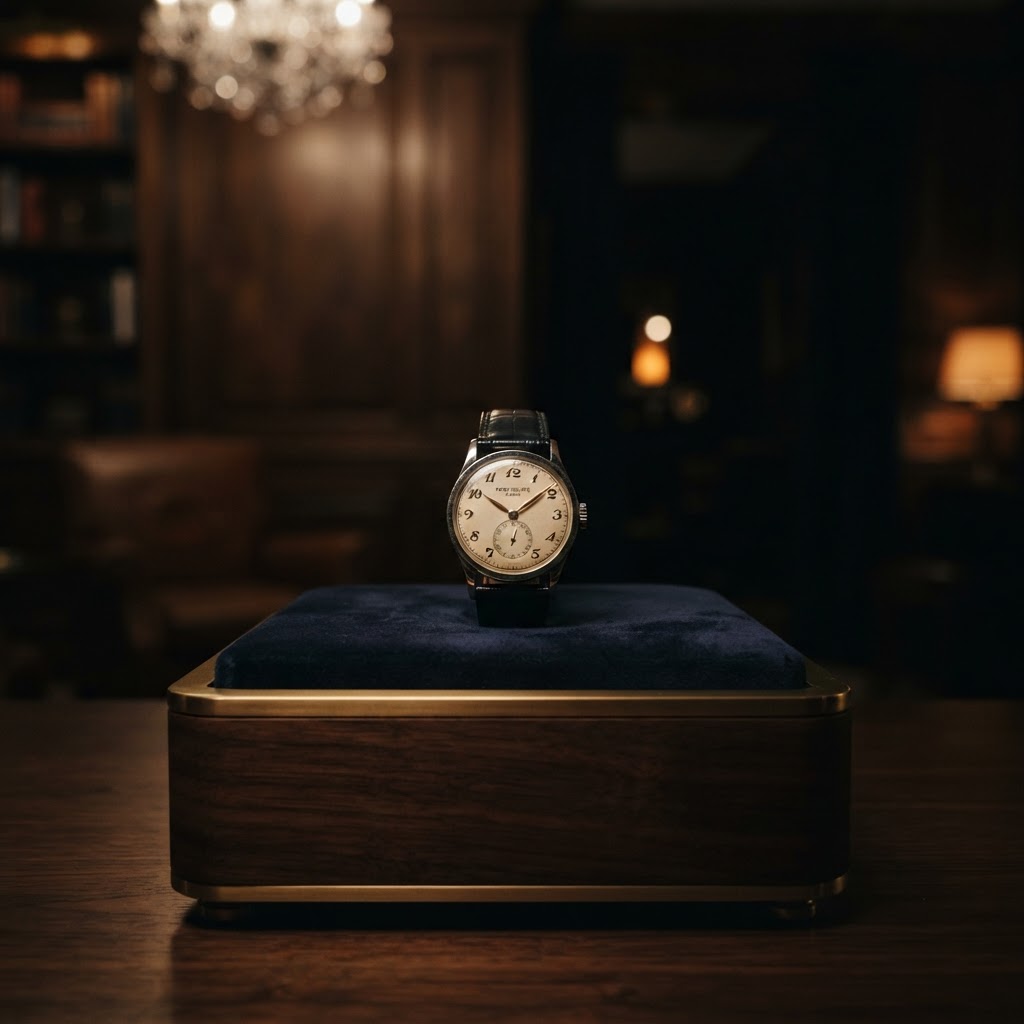
Luxury is inherently psychological. When we speak of brands like Patek Philippe or the private atelier collections of LVMH, we are discussing the maintenance of social capital. Scarcity acts as a signal of exclusivity, ensuring that the brand remains a marker of 'insider' status. It is a defense against the dilution of brand equity. In the age of algorithmic marketing, where everything is accessible at a tap, the brands that thrive are those that say 'no' more often than they say 'yes'.
The greatest luxury is not to own a thing, but to be deemed worthy of its presence. It is a psychological barrier that transforms a product into an heirloom.
Investment as Identity
For the HNW collector, the strategic purchase is no longer just a lifestyle choice; it is an alternative asset class. From vintage Ferraris to rare whiskies, the curation of one's collection mirrors the rigor of a family office portfolio. This is why private concierge services in London have become essential gateways; they provide the requisite pedigree to navigate the 'waitlist economy.' The barrier to entry—be it a three-year queue for a timepiece or a membership committee for a private club—is not an inconvenience. It is a curated stage that reinforces the brand's narrative of excellence.
The Future of Elite Commerce
As we look toward 2027, the marriage of AI and bespoke service will further refine this scarcity model. Digital twins and non-fungible provenance trackers will ensure that luxury goods remain tethered to their original, vetted owners. We are entering the age of the 'Private Salon'—a return to the boutique experience where commerce is conducted in silence, away from the public gaze, and restricted to those who understand that in the world of true prestige, availability is the ultimate vulgarity.