
The Architecture of Desire
In the quiet corners of Mayfair private members' clubs and the executive suites of Zurich’s family offices, a subtle shift is occurring. For decades, the luxury sector relied on the aspirational promise of status symbols. Today, that narrative has pivoted. The modern high-net-worth individual is no longer chasing mere visibility; they are hunting for the impossible to acquire. At the heart of this transformation lies the oldest economic lever in history: artificial scarcity.
The most precious luxury is not what you can afford, but what the world cannot have.
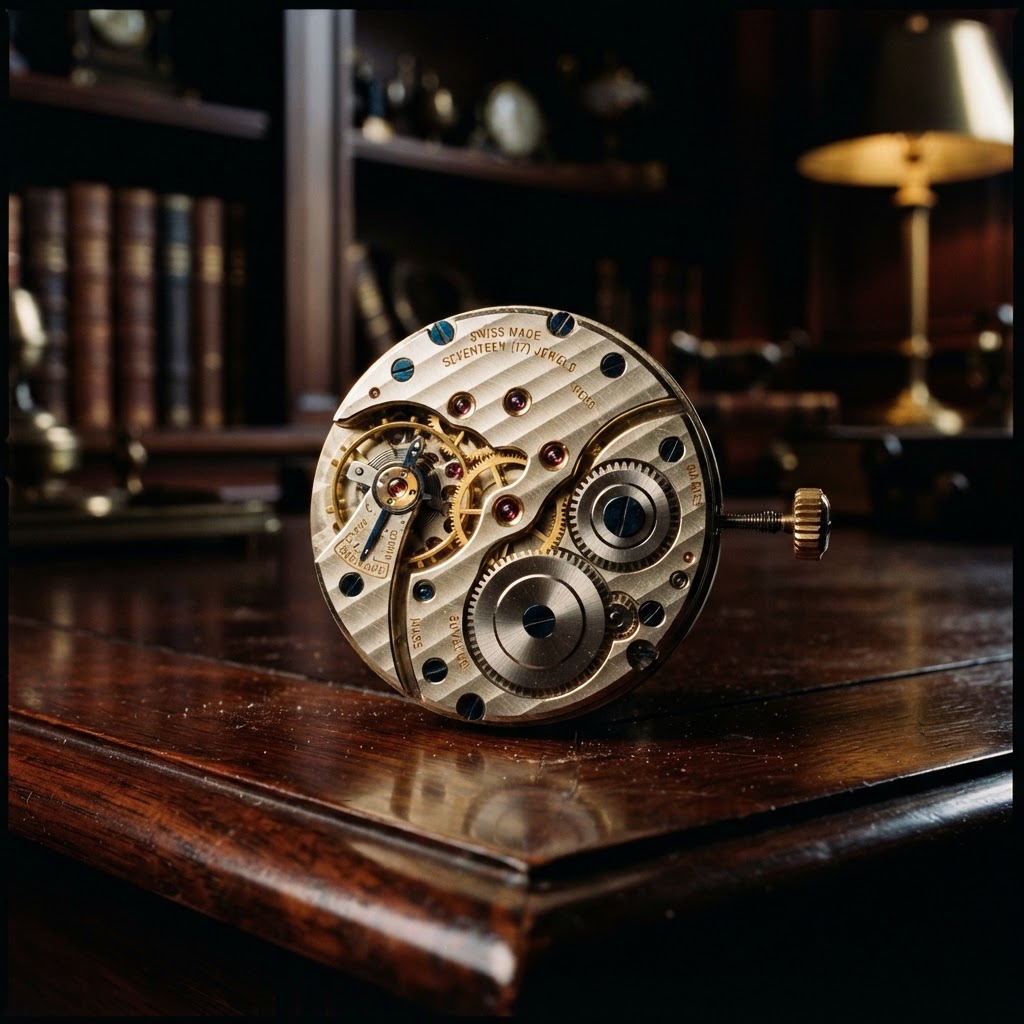
Luxury has always been a game of gatekeeping, but contemporary strategy—evidenced by the likes of Hermès and the ultra-exclusive watchmaker Patek Philippe—has turned this into a sophisticated science. By controlling the supply chain with surgical precision, these houses ensure that their products remain investments rather than mere purchases.
The Private Banking Perspective
Wealth managers often note that their clients are increasingly treating tangible luxury assets—vintage hypercars, rare casks of single malt, and limited-edition horology—as cornerstones of a balanced portfolio. This is not incidental. When a brand like Ferrari limits production of its Icona series, it creates a secondary market that functions with the volatility and excitement of a private equity firm. The scarcity is not just about ego; it is about the preservation of capital in an inflationary climate.
The Art of the Waiting List
To walk into a boutique and leave with a masterpiece is no longer the objective. Instead, the process is one of curation. Brands like Richard Mille have perfected the 'invitation-only' architecture. Here, the transaction is secondary to the relationship. The concierge services at top-tier private banks often mirror this, managing 'access' rather than just assets. When an entrepreneur or a principal of a family office approaches a brand, the 'no' they receive is often more valuable than a 'yes,' as it reinforces the brand’s integrity and elevates the perceived worth of the eventual acquisition.
The Future of Elite Consumption
As we look toward 2027, this strategy of intentional scarcity will only intensify. We are witnessing the rise of 'hyper-bespoke' services, where the product is created for a single individual, ensuring that the item never enters the common marketplace. This is the ultimate hedge against mass production. Whether it is a private aviation experience or a commission from a master artisan in Florence, the luxury of the future will be defined by its singular, unrepeatable nature. For the high-net-worth collector, the message is clear: if it can be found on a shelf, it is no longer the pinnacle of your collection.