
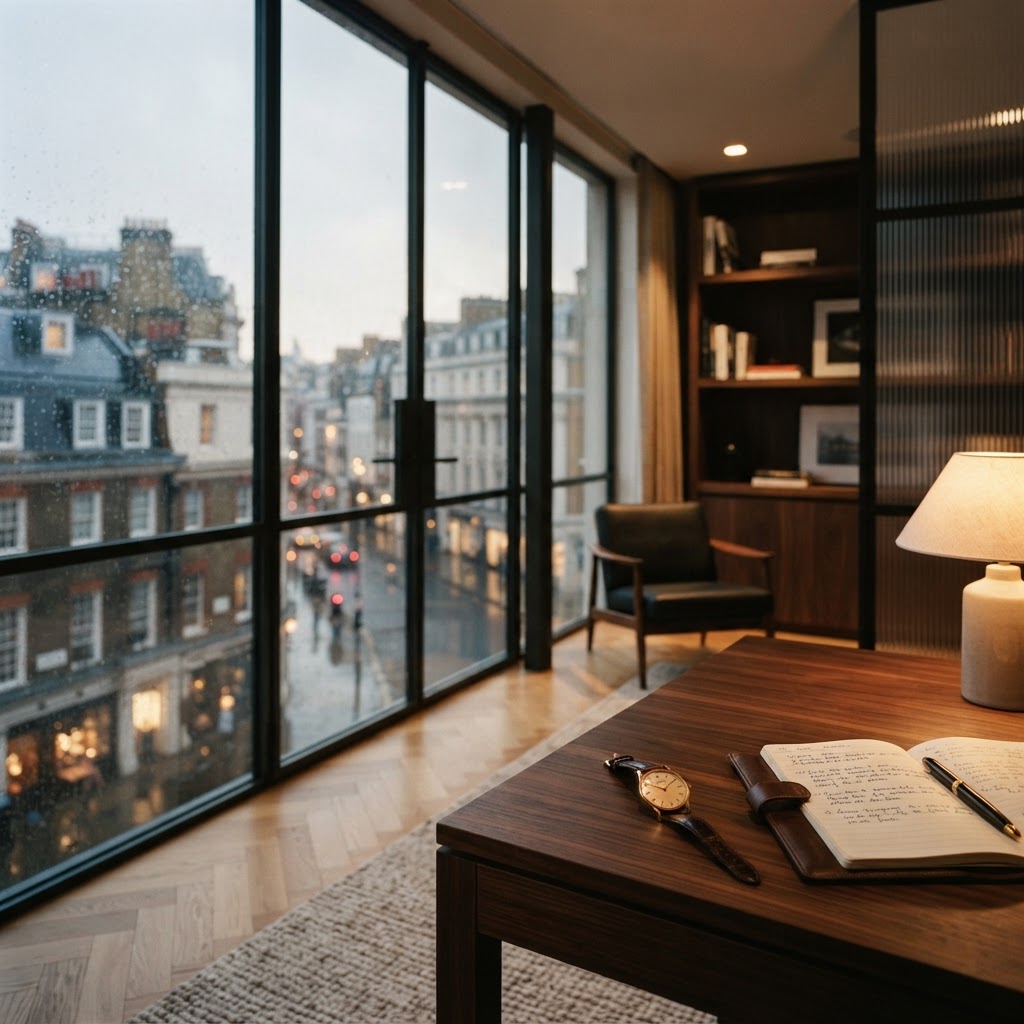
In the quiet, wood-paneled corridors of Mayfair’s most discreet family offices, a subtle shift is underway. For the modern ultra-high-net-worth individual, the traditional 60/40 portfolio—that once-venerable bedrock of wealth preservation—is increasingly viewed as a relic of a bygone financial epoch. As global markets fluctuate with the rhythmic uncertainty of geopolitical tremors, the world’s most sophisticated capital allocators are pivoting toward a new thesis: the acquisition of scarcity.
The Tangible Sovereign
"We are witnessing a decoupling of true wealth from the digital ticker tape," says Julian Vane, a senior partner at a private wealth consultancy overlooking Berkeley Square. "My clients no longer seek mere returns; they seek 'non-correlated legacy assets.' They are looking for investments that do not just weather the storm but exist entirely outside the atmospheric pressure of the S&P 500."
This shift has manifested in a dramatic pivot toward private equity in luxury hospitality and high-end viticulture. Investing in the vineyard estates of the Côte de Beaune or securing a stake in an ultra-luxury hotelier group like Aman or Cheval Blanc offers more than a dividend; it offers an immutable asset class that captures the imagination of the global elite. When one owns a piece of the experience economy at its zenith, one owns a hedge against inflationary erosion.
The Art of the Alternative
Collectibles as Currency
The secondary market for investment-grade horology—specifically Patek Philippe and F.P. Journe—has moved from the hobbyist’s desk to the analyst’s spreadsheet. These are no longer just timepieces; they are liquid, portable stores of value that appreciate in inverse proportion to the volatility of fiat currency. Similarly, the blue-chip art market remains an undisputed bastion of security, yet the focus has sharpened. Collectors are now prioritizing provenance and rarity over transient fame, viewing a Warhol or a Basquiat as an essential component of an institutional-grade portfolio.
In an era of endless digital proliferation, the only true luxury is that which cannot be mass-produced, duplicated, or erased.
Strategic Entrepreneurship: The New Venture Frontier
Perhaps the most compelling strategy currently emerging is the 'Founder-Investor' model. UHNW individuals are increasingly bypassing traditional venture capital in favor of direct, late-stage private placements in sectors that mirror their own lifestyle interests. Whether it is backing sustainable maritime engineering or high-performance private aviation infrastructure, the objective is dual-purpose: capital appreciation and the enhancement of one's own operational ecosystem. By injecting capital into the very services they utilize, these investors effectively internalize their own luxury consumption.
The Concierge of Capital
Wealth management has evolved into a bespoke concierge service where tax efficiency, estate planning, and lifestyle desires converge. The modern family office does not merely manage money; it manages the legacy of the name. As we look toward 2027 and beyond, the most successful investors will be those who recognize that the premium on rarity is only increasing. Whether it is through the strategic acquisition of rare earth commodities or the quiet patronage of bespoke artisans, the strategy remains the same: identify the scarce, secure the legacy, and let the markets do what they will.